3D Freesias Flower Tumbler 1: A Practical Guide to Flawless Sublimation Results
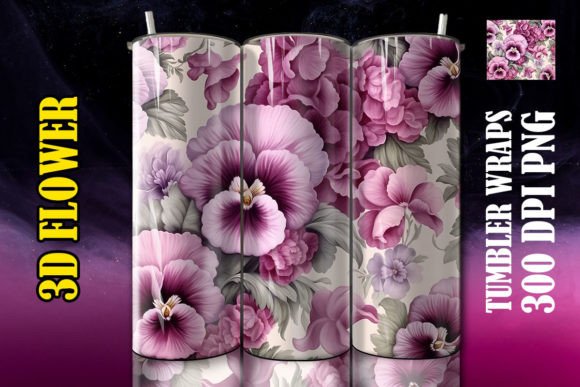
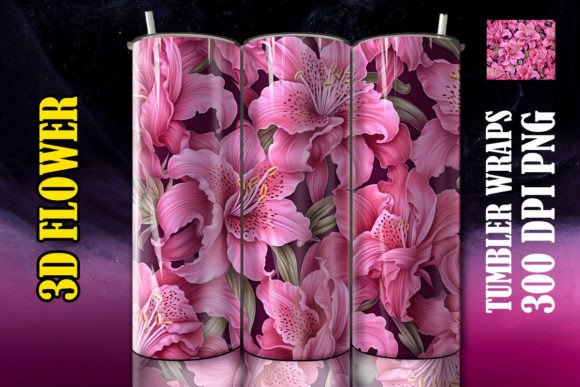
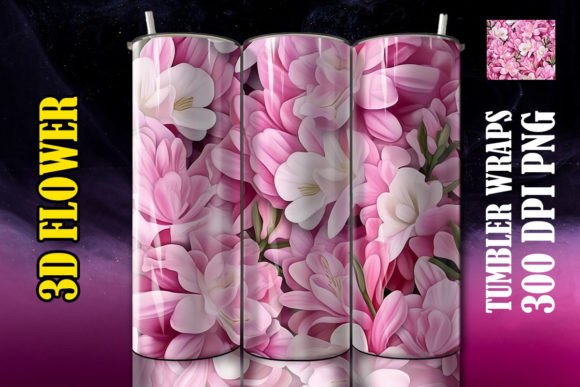
Creating custom drinkware that looks professionally manufactured rather than homemade often comes down to the quality of your digital assets. The 3D Freesias Flower Tumbler 1 design has gained popularity among sublimation creators because it offers a sophisticated, dimensional aesthetic that elevates standard floral patterns. Unlike flat vector art, this design utilizes shading and perspective to mimic the texture and depth of real freesias, making the finished tumbler appear high-end and tactile. For entrepreneurs, hobbyists, and small business owners, this specific PNG wrap serves as a versatile foundation for spring collections, wedding favors, or personalized gifts.
However, owning a high-quality file does not automatically guarantee a perfect print. Many creators experience frustration when their final product fails to match the vibrant, crisp preview they saw on their screen. These discrepancies rarely stem from the design itself but rather from overlooked technical details during the preparation and printing phases. Understanding the specific characteristics of the 3D Freesias Flower Tumbler 1 Tumbler Wrap PNG File is essential to avoiding wasted materials, inconsistent colors, and misaligned seams. By addressing common pitfalls before you hit print, you can ensure your workflow is efficient and your results are consistently professional.
Verifying Dimensions Before Committing to Ink
One of the most frequent and costly mistakes in sublimation printing is assuming a digital wrap will fit any tumbler size without adjustment. This specific digital asset is sized at approximately 9.06 inches by 8.11 inches. While this dimension covers many standard 20oz skinny tumblers, it is not a universal fit. Beginners often overlook this specification, leading to designs that either leave an unsightly gap at the seam or overlap excessively, causing blurring and ghosting.
To avoid this, always measure your specific tumbler blank’s circumference and height before printing. Do not rely solely on the manufacturer's listed size, as manufacturing tolerances can vary by millimeters. If your tumbler measures 9.2 inches in circumference, stretching this 9.06-inch file to fit will distort the intricate 3D freesia details, making the flowers look warped or pixelated. Conversely, if the tumbler is smaller, shrinking the file may reduce the resolution below the optimal threshold for crisp edges. A better approach is to use design software to create a test print on regular paper first. Wrap the paper around your specific blank to verify alignment and coverage. This thirty-second step saves expensive sublimation ink and paper while ensuring the floral pattern aligns perfectly with the tumbler’s curvature.
Understanding Resolution and Color Integrity
The included files are rendered at 300 DPI, which is the industry standard for high-quality sublimation. A common misunderstanding arises when users resize these PNGs significantly within their RIP software or graphic design program. Enlarging a raster image beyond its native dimensions forces the printer to interpolate pixels, resulting in soft edges and a loss of the defining shadows that give the freesias their 3D effect. If you need a larger wrap, it is more effective to source a higher-resolution version or adjust your tumbler selection rather than artificially upscaling this specific file.
Color management presents another challenge. The vibrant hues visible on an RGB monitor do not translate directly to CMYK sublimation ink. Creators often panic when the printed paper looks duller than expected, assuming the file is defective. This is normal behavior; sublimation ink only activates and brightens under heat and pressure. However, true color issues arise when users attempt to "fix" screen colors by over-saturating the file before printing. This leads to muddy, oversaturated blooms where the delicate petal details are lost in pools of ink. Trust the 300 DPI source file and rely on proper ICC profiles for your specific printer and ink combination rather than manual color manipulation. If test prints are consistently off, calibrate your workflow instead of altering the artwork.
Navigating Digital Delivery and File Management
Because this is an instant digital download, there is no physical product shipped to your door. Newcomers to digital marketplaces sometimes miss this distinction, expecting a printed transfer or a physical tumbler. Clarifying this expectation immediately prevents disappointment and support tickets. Upon purchase, you receive a single ZIP file containing the bundle of PNGs. Failing to properly extract these files before use is a surprisingly common error. Attempting to open a PNG directly from within the compressed ZIP folder can sometimes cause software to read the file incorrectly or fail to load the full resolution metadata.
Always extract the entire contents to a dedicated project folder on your computer before importing them into your design software. This ensures the software accesses the full 300 DPI data stream. Additionally, organize your files logically. Since this download includes a bundle, identify which specific variation best suits your current project immediately. Keeping your workspace organized reduces the risk of accidentally printing a low-resolution thumbnail or the wrong aspect ratio variant. Treat digital asset management with the same rigor as physical inventory; a disorganized digital library leads to production errors just as surely as a messy workshop.
Technical Compatibility and Application Best Practices
Before purchasing or using the 3D Freesias Flower Tumbler 1, confirm that your equipment supports sublimation printing. This file is useless for vinyl cutting, direct-to-garment (DTG), or laser engraving. It is specifically engineered for dye-sublimation onto polyester-coated surfaces. Using it on cotton, ceramic mugs without poly-coating, or dark-colored tumblers will yield zero results. The white background of the PNG is designed to become transparent through the sublimation process, meaning it cannot provide white ink coverage on dark substrates.
When applying the wrap, pay close attention to pressure consistency. The 3D effect relies on sharp transitions between light and shadow. Uneven pressure during the heat press phase can flatten these transitions, making the design look two-dimensional or blotchy. Use a silicone wrap or shrink wrap specifically designed for tumblers to maintain even contact across the entire surface area. Furthermore, because freesias have organic, irregular edges, alignment is critical. Unlike geometric patterns where slight rotations are unnoticeable, floral stems that run vertically must remain truly vertical. Utilize alignment guides or center marks in your software to ensure the flower stems do not spiral awkwardly around the cup. Taking these extra precautions respects the artistry of the design and ensures the final product meets the high standards your customers expect.
Ultimately, success with this digital wrap comes from respecting the technical specifications and preparing thoroughly. By verifying dimensions, maintaining resolution integrity, managing files correctly, and ensuring equipment compatibility, you transform a simple PNG download into a premium retail product. These proactive steps distinguish professional creators from amateurs, ensuring that every tumbler featuring these beautiful freesias represents your brand’s commitment to quality.