3D Layered Calla Lily Flowers: Symbolism & Design
The calla lily has long held a distinguished place in floral symbolism, representing purity, innocence, and pristine beauty. When translated into the medium of paper crafting and digital fabrication, these attributes take on a tangible form through 3D layered calla lily flowers. This specific artistic approach moves beyond flat representation, utilizing depth and shadow to mimic the organic elegance of the living bloom. For creators, educators, and small business owners, understanding the intersection of this profound symbolism with modern cutting technology opens doors to projects that carry emotional weight alongside visual appeal. The ability to fabricate a flower that embodies unblemished nature allows for meaningful communication in everything from wedding stationery to therapeutic art sessions.
Elevating Paper Crafts Through Dimensional Depth
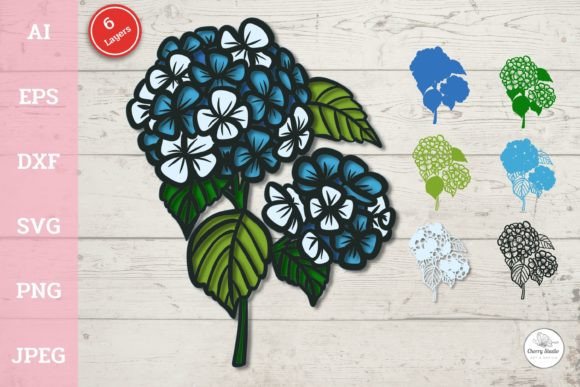
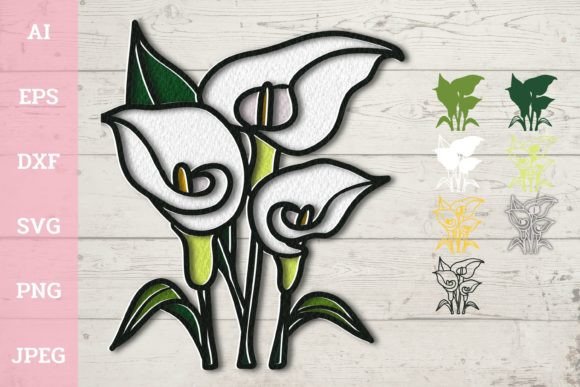
Flat vector art serves many purposes, but it often lacks the tactile quality necessary for high-end decor or sentimental gifts. 3D layered calla lily flowers solve this limitation by separating the botanical anatomy into distinct strata. This design typically includes seven individual layers, each corresponding to a different part of the flower’s structure, such as the spathe, spadix, and stem segments. When assembled, these layers create natural shadows and highlights without requiring advanced shading techniques or airbrushing skills. The result is a realistic depth that catches light differently depending on the viewing angle, making the finished piece feel alive rather than manufactured.
This dimensional quality is particularly valuable for professionals creating physical products. A greeting card featuring a raised, multi-layered lily commands a higher perceived value than one with a standard printed image. For event planners and DIY brides, this depth translates to centerpieces and backdrop elements that photograph beautifully under various lighting conditions. The structural integrity provided by multiple layers also ensures the flower holds its shape over time, unlike single-layer cuts that may warp or curl. By leveraging the inherent architecture of a seven-layer design, makers can achieve professional-grade results using standard cardstock and adhesive.
Symbolic Resonance in Meaningful Projects
The association of calla lilies with purity and innocence is not merely decorative; it is a functional aspect of design communication. When selecting floral motifs for specific life events, the symbolism must align with the occasion's tone. These 3D layered designs are exceptionally well-suited for contexts where conveying sincerity and new beginnings is paramount. Baptism announcements, first communion keepsakes, and bridal shower invitations benefit directly from this iconography. The pristine lines of the calla lily, rendered in three dimensions, reinforce messages of hope and untarnished joy more effectively than generic floral patterns.
Educators and therapists working with children or individuals processing grief may also find utility in this specific motif. Art therapy often utilizes flower assembly as a grounding exercise, and the calla lily’s simple yet elegant geometry provides a manageable yet rewarding challenge. The act of stacking white or pastel layers to build a symbol of innocence can serve as a non-verbal processing tool. Furthermore, because the design is digital and reproducible, facilitators can prepare identical kits for group sessions, ensuring consistency while allowing participants to focus on the meditative process of assembly rather than drawing complex shapes from scratch.
Technical Versatility Across Cutting Platforms
A significant barrier in digital crafting is file compatibility. Creators often invest hours adjusting vectors only to find they do not cut cleanly on their specific machine. This 3D layered calla lily collection addresses that friction by providing a comprehensive suite of formats within a single zip file. The inclusion of SVG files ensures seamless integration with Cricut Design Space and Silhouette Designer Edition, preserving layer grouping and sizing. For those utilizing laser technology like Glowforge, the DXF format offers precise path data essential for clean burns and cuts. Professional designers using Adobe Illustrator, Corel Draw, or Inkscape have access to AI and EPS files, allowing for deep customization of node points and curves before fabrication.
This breadth of compatibility supports diverse workflows without compromising quality. A small business owner might use the PNG files for web mockups or sublimation transfers while using the same source SVGs for physical product lines. The high-resolution 300 DPI JPEG and color example files serve as vital reference guides during assembly, eliminating guesswork about layer order and color placement. Having all these variations readily available reduces the administrative burden of file conversion and troubleshooting, allowing more time for actual creation and client interaction. It ensures that whether you are a hobbyist with a desktop cutter or a production studio with industrial lasers, the asset performs reliably.
Optimizing Material Selection and Color Strategy
While the digital file provides the structure, the physical outcome depends heavily on material choices. The 8.5 x 8.5-inch artwork size is optimized for standard letter-sized paper, minimizing waste during production. However, the true potential of 3D layered calla lily flowers emerges through strategic color selection. Because the design relies on layering, users should select papers with varying tonal values rather than identical shades. Using three distinct whites or creams creates subtle contrast that defines the petal edges, whereas using a single flat white can cause the layers to visually merge, losing the 3D effect.
For projects emphasizing the "purity" aspect, textured white cardstocks like linen or felt-finish papers add a tactile softness that complements the visual symbolism. Conversely, marketers or brands seeking a modern twist might utilize metallic gold or silver for the inner spadix layer to create a focal point against matte outer petals. It is important to note that background elements shown in promotional images are not included; this intentional exclusion grants creators full autonomy over presentation. You might mount the finished lily on a dark navy background for dramatic contrast or integrate it into a watercolor wash for a softer aesthetic. Testing paper weight is also crucial; 65lb to 80lb cardstock generally offers the best balance of flexibility for shaping and rigidity for maintaining the seven-layer stack.
Practical Considerations for Efficient Assembly
Efficiency in crafting is not just about speed; it is about predictable outcomes. With seven distinct layers per flower, organization becomes a key factor in successful execution. Users should adopt a systematic approach to weeding and sorting immediately after cutting. Keeping layers separated by type rather than mixing them prevents assembly errors that could ruin the delicate proportions of the calla lily. Adhesive choice also impacts the final quality; foam tape can enhance the 3D effect between major sections, while liquid glue or precision tack is better for securing smaller inner details without adding unwanted bulk.
Time management is another practical benefit of using pre-designed layered files. Drawing a botanically accurate, seven-layer calla lily from scratch requires advanced illustration skills and significant testing to ensure pieces align correctly. By utilizing this ready-to-cut resource, creators bypass the prototyping phase entirely. This is especially relevant for entrepreneurs fulfilling custom orders or educators preparing lesson plans on tight schedules. The reliability of the cut lines means less time fixing jagged edges and more time focusing on finishing touches and packaging. However, users should always perform a test cut on scrap material first, as blade depth and pressure settings vary significantly between machines and paper types.
Expanding Creative Applications Beyond Traditional Use
While often associated with paper flowers, the utility of these digital files extends into mixed media and digital design. The high-quality PNG and JPEG assets allow bloggers and content creators to incorporate the purity symbolism into digital headers, social media graphics, or printable wall art without needing physical crafting supplies. For scrapbookers, the individual layers can be used independently; a single petal shape might serve as a journaling tag, or the spadix could function as a unique bullet point in a planner layout. This modularity maximizes the return on investment for the digital asset.
Laser engraving presents another avenue for exploration. The DXF files can be adapted to etch the calla lily design onto wood veneer or acrylic, creating permanent tokens of innocence for memorials or christening gifts. Unlike paper, these materials offer durability for heirloom items. The vector nature of the file ensures that scaling up for wall installations or down for jewelry charms maintains crisp, accurate lines. Ultimately, 3D layered calla lily flowers represent a convergence of traditional symbolism and modern manufacturing capability. They provide a versatile foundation for anyone looking to create work that is both aesthetically refined and deeply resonant, bridging the gap between digital precision and organic emotion.