3D Layered Rose: A Comprehensive Guide to Digital Cutting Files
In the evolving world of digital crafting and laser artistry, few designs offer the timeless elegance and structural versatility of the 3D Layered Rose. Whether you are a professional event designer creating bespoke wedding invitations or a hobbyist exploring the capabilities of a new Glowforge, understanding the technical and artistic nuances of these files is essential for achieving superior results. This guide explores the practical applications, file specifications, and creative potential inherent in high-resolution layered rose designs, ensuring your next project achieves the depth and dimension required for professional-grade output.
Understanding the Anatomy of a 3D Layered Rose Design
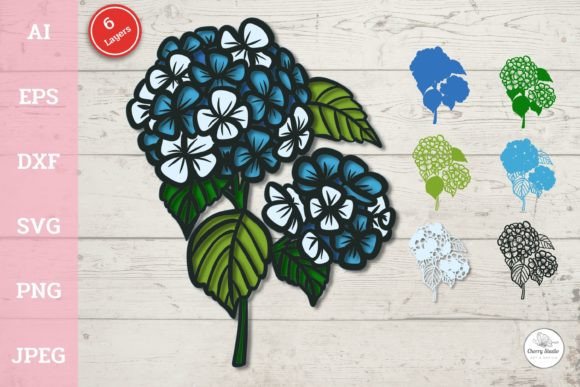
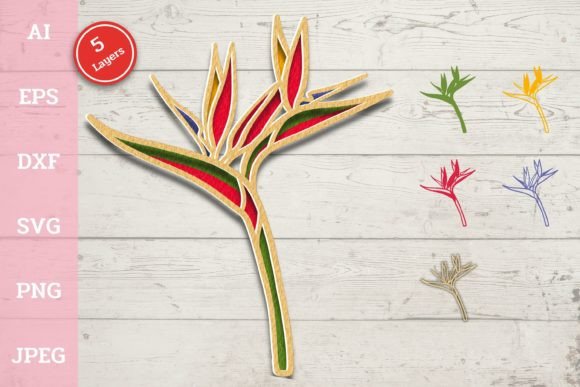
A 3D Layered Rose differs significantly from standard flat vector art. While traditional clipart relies on color gradients to simulate depth, layered designs utilize physical separation between material planes to create genuine shadows and dimensionality. When working with the specific digital assets described here, it is vital to recognize that you are not merely downloading an image; you are acquiring a construction blueprint.
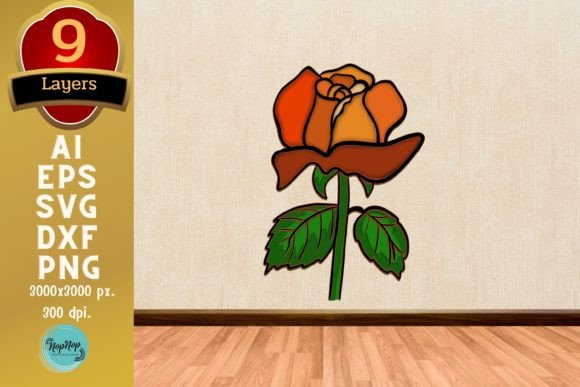
The collection includes seven distinct layered designs, each engineered to stack seamlessly. The artboard size of 3000 × 3000 pixels at 300 DPI ensures that whether you are printing these roses as standalone clipart or cutting them at large scales for wall art, the edges remain crisp and the details intact. This high resolution is particularly important for laser engraving or high-quality inkjet printing where pixelation can ruin the delicate petal transitions.
File Formats and Software Compatibility
Versatility is the cornerstone of any useful digital asset. This download package is structured to accommodate a wide spectrum of hardware and software ecosystems. Understanding which file to use for your specific workflow prevents compatibility headaches and preserves design integrity.
- AI & EPS (Adobe Illustrator): Ideal for professionals who need to modify anchor points, resize without quality loss, or integrate the 3D Layered Rose into complex branding packages. These vectors maintain perfect curves at any scale.
- SVG (Cricut Design Space, Silhouette Designer Edition, Inkscape): The industry standard for electronic cutting machines. SVGs retain layer information, allowing your machine to cut each petal separately rather than merging them into a single silhouette.
- DXF (Silhouette Basic Edition, ScanNCut): Essential for users without premium software subscriptions. DXF files ensure that even basic cutting setups can access the layered geometry.
- PNG (Glowforge, Printing): Provided in both black-line and colored versions. Note that while sample images display color for visualization, the actual functional PNG for cutting is black to maximize contrast for optical sensors. Colored PNGs are included specifically for sublimation, digital planning, or direct printing.
Material Selection: The Key to Dimensional Success
The visual impact of a 3D Layered Rose is entirely dependent on material choice. Because the design relies on stacking, using a single color of paper will result in a flat appearance regardless of how many layers exist. To unlock the three-dimensional aesthetic, creators must employ strategic color variation.
Paper Weight and Texture Considerations
When selecting cardstock for cutting, balance is crucial. Paper that is too thick (over 80lb cover) may cause intricate inner petals to tear or fail to release from the cutting mat. Conversely, paper that is too light (under 65lb) may curl when adhesive is applied, compromising the structural integrity of the bloom.
- Base Layers: Use heavier stock (80-100lb) for the bottom two layers to provide a stable foundation.
- Middle Petals: Standard 65lb cardstock offers the best compromise of rigidity and flexibility for shaping.
- Top Details: Lighter text-weight paper or vellum can be used for the centermost layers to add translucency and delicacy.
For laser cutter users, basswood veneer or thin acrylic sheets offer a permanent, rigid alternative to paper. However, kerf (the width of the laser beam) must be accounted for. The provided files are optimized for standard blade cutting; laser users may need to adjust stroke widths slightly depending on their machine’s calibration to ensure snug fits between layers.
Practical Applications Across Industries
The utility of the 3D Layered Rose extends far beyond simple decoration. Its modular nature makes it a valuable asset across multiple commercial and personal domains.
Event Stationery and Signage
Wedding and event planners frequently utilize these designs to create tactile invitation suites. By adhering foam tape between layers, the rose becomes a sculptural element on the envelope. For signage, scaling the 3000px artboard allows for the creation of massive floral backdrops or table numbers that photograph beautifully due to the natural shadow play created by the layers.
Product Packaging and Retail
Small business owners can elevate product packaging by incorporating a monochromatic 3D Layered Rose as a seal or embellishment. Luxury candle makers, soap artisans, and jewelry designers often use these cuts to signal quality and attention to detail. The ability to customize colors means the floral accent can match brand palettes perfectly without requiring custom printing runs.
Digital Design and Print Media
Not every application requires physical cutting. The included colored PNG files serve as high-resolution clipart for digital scrapbooking, website headers, or social media graphics. Because the source resolution is 300 DPI, these images print flawlessly on merchandise like mugs, tote bags, and apparel, bridging the gap between digital art and physical products.
Navigating Technical Expectations and Limitations
To ensure satisfaction, users must approach digital downloads with realistic expectations regarding file behavior and usage rights.
Color Representation vs. Functional Files
A common point of confusion for new users involves the PNG files. It is imperative to understand that the colorful images shown in listing previews are samples only. The actual functional PNG intended for cutting machines is solid black. This is a feature, not a flaw; optical sensors in Cricut and Silhouette machines detect high-contrast black lines most accurately. Users seeking colored prints should utilize the separate colored PNG files provided specifically for that purpose.
Background Exclusions
Creative freedom implies responsibility for composition. Any backgrounds visible in promotional imagery are stylistic choices meant to demonstrate potential; they are not part of the downloadable zip file. This exclusion ensures that creators have full control over their canvas, preventing unwanted artifacts or licensing issues associated with stock photography backgrounds.
Optimizing Your Workflow for Best Results
Achieving professional results with a 3D Layered Rose requires more than just pressing "cut." Preparation and post-processing define the final quality.
Pre-Cut Preparation
Before sending the file to your machine, always perform a test cut on scrap material of identical weight. Blade depth, pressure, and speed settings vary wildly between brands and even individual machines. A dull blade will fray paper edges, making the layered effect look messy rather than refined. Replace blades regularly when working with intricate floral geometries.
Assembly Techniques
Adhesive selection dictates longevity. Liquid glues can warp paper, causing the rose to buckle. Double-sided adhesive dots or precision glue pens offer cleaner application. For a more organic shape, consider gently curling the petal edges with a shaping tool or bone folder before assembly. This breaks the stiffness of the cardstock and mimics the natural curve of a living rose, enhancing the 3D illusion created by the stacked layers.
Evaluating Suitability for Your Project
While the 3D Layered Rose is incredibly versatile, it is not universally appropriate for every scenario. Evaluate your project needs against the following criteria:
- Scale: If your project requires elements smaller than 1 inch, verify that your cutting machine can handle the intricate interior details. Some designs may need simplification at micro-scales.
- Durability: Paper-based layered roses are fragile. For items subject to handling (like greeting cards mailed without rigid envelopes), consider flattening the design or using protective packaging.
- Time Investment: Layered projects are inherently slower than flat cuts. Account for weeding time and assembly labor when pricing commercial goods or scheduling event production.
By understanding the technical specifications, material requirements, and creative possibilities of these digital assets, creators can transform a simple zip file into stunning dimensional art. The 3D Layered Rose represents a convergence of traditional paper craft aesthetics and modern digital precision, offering endless opportunities for innovation in both personal and professional creative endeavors. Whether you are cutting, printing, or designing digitally, respecting the layered architecture of this file format is the first step toward mastering this timeless motif.