Mastering 3D Wall Animal Cup Designs: A Comprehensive Guide to Sublimation Success
In the vibrant world of personalized merchandise, few items capture the imagination quite like custom drinkware. Among the myriad of designs available, 3D Wall Animal Cup Fun templates have emerged as a standout choice for creators, small business owners, and hobbyists alike. These designs offer a unique visual depth that transforms a standard ceramic vessel into a conversation piece. However, achieving that flawless, professional finish requires more than just a creative eye; it demands a solid technical foundation in sublimation printing.
This guide explores the intersection of artistic design and technical execution. Whether you are looking to expand your product line or simply create a memorable gift, understanding the nuances of high-resolution PNG templates and the sublimation process is essential. We will delve into what makes these 3D animal designs special, the equipment necessary for success, and how to leverage digital assets effectively while navigating the boundaries of seller support.
The Appeal of 3D Animal Designs in Modern Drinkware
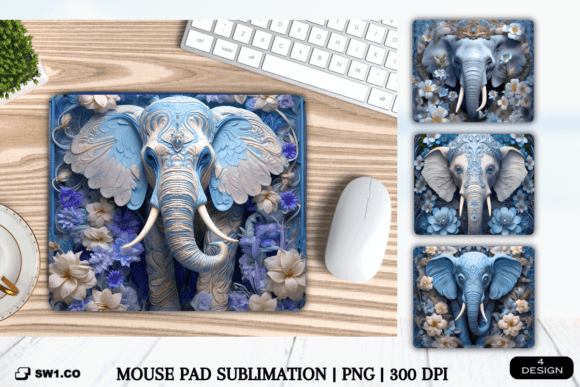
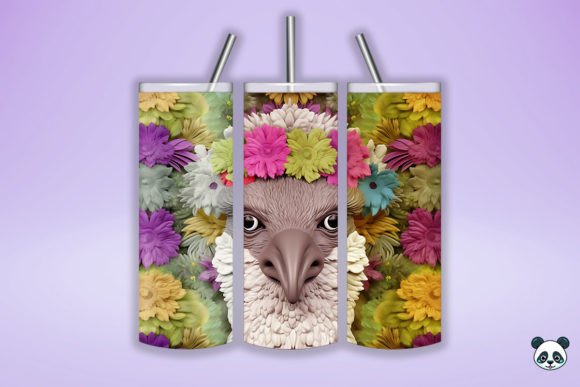
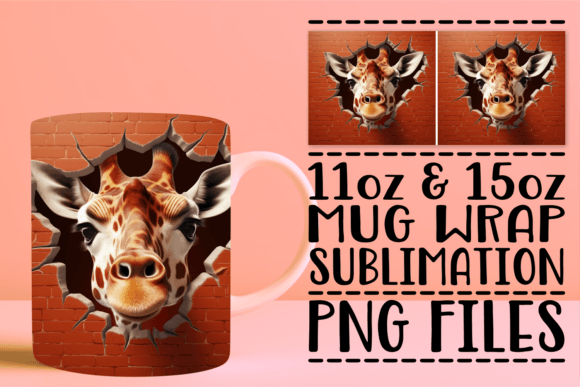
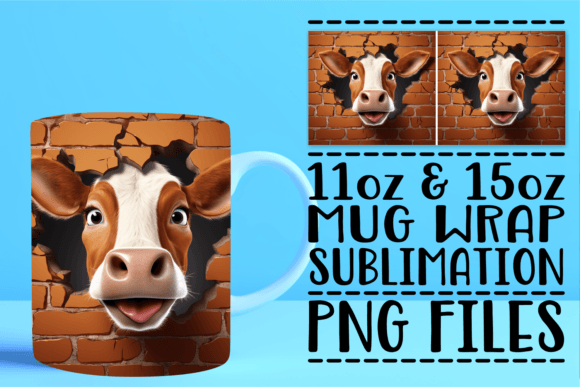
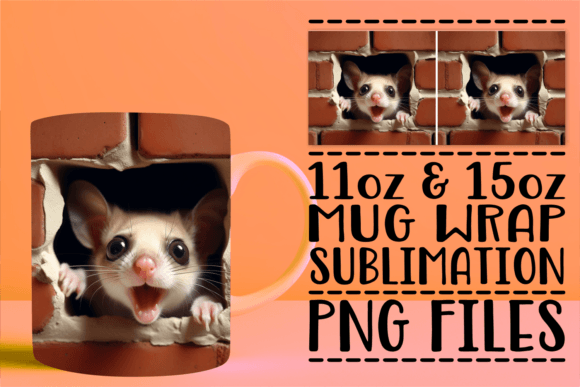
To understand why specific files like "3D Wall Animal Cup Fun" are so popular, we must first look at current market trends. In an era dominated by digital screens, consumers crave tactile, visually engaging physical products. Flat, two-dimensional prints, while classic, often lack the immersive quality that modern buyers seek. The "3D wall" aesthetic creates an optical illusion of texture and depth, making animals appear as though they are popping off the mug or embedded within a textured surface.
This style serves multiple purposes across different demographics:
- Educational Tools: For teachers and parents, realistic yet stylized animal mugs serve as engaging learning aids for children studying wildlife or biology.
- Niche Gifting: Wildlife enthusiasts, pet owners, and nature photographers often prefer gifts that reflect their passion with artistic flair rather than generic clip art.
- Retail Differentiation: For small businesses selling on platforms like Etsy or at craft fairs, complex 3D-style designs signal higher production value and creativity compared to mass-produced alternatives.
The versatility of these designs allows them to fit seamlessly into daily life, from morning coffee routines to office desk decor, bridging the gap between functional utility and artistic expression.
Understanding the Technical Foundation: Sublimation Prerequisites
While the artistic potential of 3D animal cup wraps is vast, the medium dictates the outcome. It is critical to emphasize that sublimation is a chemical process, not merely a printing method. Before purchasing any digital template, including high-quality PNG files, you must possess a strong grasp of this concept. Many beginners mistakenly believe that buying a file guarantees a perfect product, but the file is only one component of a larger ecosystem.
Essential Equipment and Software
To effectively utilize 3D Wall Animal Cup Fun files, specific hardware and software are non-negotiable. Digital downloads are inert until processed through the correct workflow. You must ensure you have the following at your disposal before starting:
- Sublimation Printer: Standard inkjet printers cannot be used unless converted specifically for sublimation ink. Dedicated sublimation printers ensure color accuracy and prevent clogging.
- Sublimation Ink: This specialized dye turns into gas when heated, bonding permanently with polyester coatings. Regular ink will wash away immediately.
- Heat Press: A standard iron is insufficient for mug wraps. You require a dedicated mug press or a convection oven setup capable of maintaining precise temperature and pressure.
- Design Software: Programs like Photoshop, GIMP, Canva, or Silhouette Studio are necessary to resize, mirror, and position the 300 DPI PNG files correctly.
- Polymer-Coated Blanks: Sublimation only works on polyester or poly-coated surfaces. Raw ceramic or glass will not accept the transfer.
Important Note on Support: When acquiring digital assets, it is vital to understand the scope of seller assistance. Sellers typically provide support exclusively for issues related to the integrity of the files themselves (e.g., corrupted downloads or resolution errors). Guidance on heat press settings, color management, printer troubleshooting, or general sublimation techniques is usually outside the scope of digital file sales. Ensuring you have independent access to educational resources or community forums for process-related questions is a prerequisite for a frustration-free experience.
Decoding File Specifications: Why 300 DPI Matters
When browsing descriptions for sublimation templates, you will frequently encounter technical specifications. Understanding these metrics prevents wasted materials and poor results. The "3D Wall Animal Cup Fun" package typically includes optimized PNG files sized for 11oz and 15oz mugs, featuring 300 DPI resolution.
The Significance of Resolution
DPI stands for Dots Per Inch. In the context of sublimation, 300 DPI is the industry gold standard for print clarity. Screens display images at 72 or 96 DPI, which looks crisp on a monitor but appears pixelated and blurry when printed at actual size. Because 3D effects rely on fine details, shadows, and gradients to create the illusion of depth, low-resolution files destroy the intended effect. A 300 DPI file ensures that every fur texture and shadow gradient transfers sharply onto the curved surface of a mug.
PNG vs. Other Formats
PNG (Portable Network Graphics) is the preferred format for sublimation wraps for several reasons:
- Lossless Compression: Unlike JPEGs, PNGs do not compress image data destructively, preserving the sharp edges needed for 3D illusions.
- Transparency Support: If you wish to layer the animal design over a different background color or texture, PNGs allow for transparent backgrounds.
- Color Fidelity: PNGs maintain consistent color profiles, which is crucial when trying to match screen colors to printed output.
Customization and Creative Application
One of the primary advantages of purchasing high-resolution PNG templates is the ability to customize them to meet specific requirements. While the base file provides the intricate 3D artwork, your creativity determines the final product. Customization goes beyond simply adding a name; it involves adapting the design to suit the end-user's needs.
For example, if you are creating merchandise for a veterinary clinic, you might adjust the color grading of the animal wrap to match the clinic’s branding. If designing for a child’s birthday party, you could add personalized text elements using complementary fonts that don't obscure the central 3D focal point. Because these files are sized specifically for standard mug wraps, they serve as a reliable canvas. However, always remember to mirror your image horizontally before printing. This is a common oversight for beginners; because the transfer is applied face-down, failure to mirror results in backward text and reversed 3D perspectives.
Navigating Challenges and Best Practices
Even with perfect files and equipment, sublimation presents challenges. Understanding common pitfalls helps distinguish between file issues and process errors. Since seller support is limited to file integrity, self-diagnosis is a valuable skill.
Common Misunderstandings
- "The colors look dull on paper": This is normal. Sublimation ink only activates and vibrates under heat. Never judge color accuracy by the unpressed print.
- "The 3D effect isn't visible": If the image looks flat after pressing, check your pressure settings. Insufficient pressure prevents full ink transfer, reducing contrast and depth. Conversely, too much pressure can cause ghosting.
- "The image is blurry": If your file is confirmed to be 300 DPI, blurriness is likely caused by movement during the press cycle or incorrect time/temperature settings, not the file itself.
Maintaining File Integrity
To get the most out of your download, store your PNG files properly. Avoid repeatedly saving over the original master file, as some software can degrade quality over multiple saves. Keep a pristine backup copy. When resizing, always scale down rather than up; enlarging a 300 DPI image reduces effective resolution and compromises the 3D illusion.
Conclusion: Empowering Your Creative Journey
The "3D Wall Animal Cup Fun" collection represents more than just a digital download; it is a gateway to creating professional-grade, visually stunning drinkware. By combining high-quality 300 DPI assets with a robust understanding of sublimation science, you unlock endless possibilities for personalization and commerce.
Success in this field relies on preparation. Ensure your equipment is calibrated, your software is ready, and your expectations regarding support are aligned with industry standards. When you approach sublimation with both artistic vision and technical respect, the result is a product that delights customers and showcases your dedication to quality. Should you encounter specific issues with the downloaded files, sellers are generally eager to assist and ensure your assets are functional. With the right mindset and tools, your sublimation journey can be both profitable and profoundly satisfying.