Mastering Sublimation Design with the Teddy Bear Both Side 3D Mug Wrap
The custom drinkware market has evolved significantly beyond simple vinyl decals and basic heat transfers. Today, creators and small business owners are leveraging full-coverage sublimation to produce immersive, high-quality products that command higher price points and customer loyalty. Central to this production method is the digital asset itself. When utilizing a specialized design such as the Teddy Bear Both Side 3D Mug Wrap, understanding the technical specifications, aesthetic applications, and production workflow is essential for achieving professional results. This digital resource serves as more than just a cute graphic; it is a precision-engineered template designed to bridge the gap between digital artistry and tangible merchandise.
Technical Specifications and File Integrity
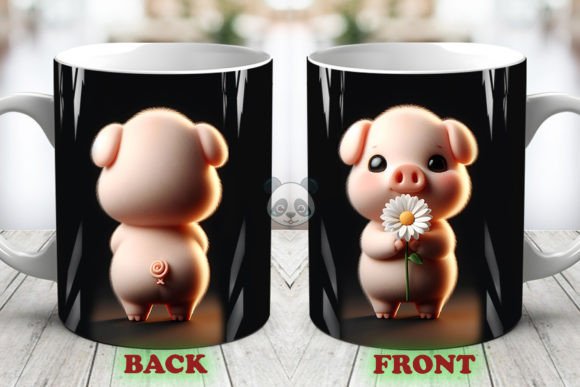
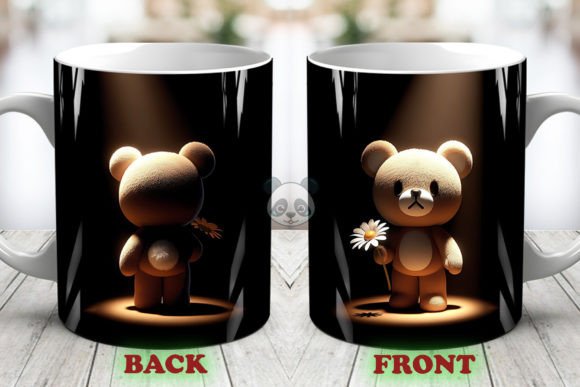
Success in sublimation printing begins long before the heat press is activated. It starts with the resolution and dimensions of the source file. The Teddy Bear holding flower Both Side 3D Mug Wrap is engineered specifically for standard 11oz and 15oz ceramic mugs, adhering to strict dimensional requirements. The included PNG file measures exactly 9.75 inches by 4.75 inches. This specific aspect ratio is critical because it accounts for the circumference of standard mug blanks while leaving appropriate margins for alignment during the pressing process.
Resolution plays an equally vital role in the perceived value of the final product. This digital download provides a 300 DPI (dots per inch) image. In the context of dye-sublimation, 300 DPI is the industry gold standard. Lower resolution files, often found in free repositories or web-optimized images, typically result in pixelation, blurring, or banding when stretched across a curved surface. Because sublimation ink turns into gas and bonds with the polymer coating at a molecular level, any flaw in the digital file is permanently transferred to the substrate. Maintaining 300 DPI ensures that the intricate details of the teddy bear’s fur texture and the delicate petals of the flower remain crisp and vibrant after the transfer.
Furthermore, the file format matters. PNG files support lossless compression, meaning no visual data is discarded during saving. Unlike JPEGs, which can introduce compression artifacts around high-contrast edges, the PNG format preserves the clean lines and solid color blocks necessary for a seamless wrap. This is particularly important for designs featuring both a front focal point and a back pattern, as the transition between these elements must be smooth to avoid visible seams on the finished mug.
Understanding Dual-Sided Composition
A distinct advantage of this specific digital asset is its "both side" configuration. Many entry-level designers struggle with creating wraps that look intentional from every angle. A single-sided design often leaves the back of the mug blank or requires the creator to manually tile a pattern, which can lead to mismatched seams or repetitive visual fatigue. The Teddy Bear Both Side 3D Mug Wrap eliminates this guesswork by providing a pre-formatted layout where the front features the primary subject—the teddy bear holding a flower—while the reverse side offers a complementary design element.
This dual-sided approach enhances the user experience of the physical product. Drinkware is three-dimensional and interactive; users rotate the mug while drinking. A cohesive wrap ensures that the aesthetic appeal is maintained regardless of how the mug is held or displayed on a shelf. For sellers, this translates to better product photography opportunities and a perception of higher craftsmanship. The design effectively utilizes the entire printable surface area, maximizing the value of the sublimation blank and the ink consumed during production.
Practical Applications Across Different Sectors
While the imagery of a teddy bear suggests a niche audience, the versatility of this wrap extends across multiple demographics and use cases. Understanding these applications helps creators market their finished goods more effectively or utilize the design for specific organizational needs.
- Personalized Gifting: The teddy bear motif is universally recognized as a symbol of comfort and affection. This makes the wrap ideal for Valentine’s Day, anniversaries, baby showers, and birthdays. Creators can easily overlay custom text, such as names or dates, onto the negative space of the design without obscuring the central artwork. The emotional resonance of the image adds sentimental value that generic stock photos cannot replicate.
- Educational and Childcare Settings: Teachers, daycare providers, and pediatric therapists often use personalized drinkware to help children identify their belongings. The friendly, non-threatening aesthetic of the Teddy Bear holding flower Both Side 3D Mug Wrap is age-appropriate and engaging. For educators selling items at school fundraisers or creating classroom sets, this design offers a gender-neutral, wholesome option that appeals to parents and administrators alike.
- Retail and E-Commerce Inventory: For business owners maintaining a catalog of ready-to-ship items, having reliable, high-quality base designs is crucial for inventory turnover. This wrap serves as an evergreen design that sells consistently outside of seasonal peaks. Its classic style avoids trending fads that may become obsolete quickly, providing a stable return on investment for digital assets.
- Mental Health and Comfort Kits: Organizations focused on wellness, hospital care packages, or senior living facilities often seek imagery that evokes nostalgia and safety. Sublimated mugs featuring soft, comforting visuals are frequently included in care kits. The high durability of sublimation printing means these mugs can withstand industrial dishwashers in care facilities without fading, making them a practical choice for institutional gifting.
Workflow Integration and Production Considerations
Acquiring the digital file is only the first step in a broader production ecosystem. Users must understand that this item is strictly a digital download; no physical mug or printed paper is shipped. This distinction is vital for managing expectations and planning logistics. Upon purchase, the instant download mechanism delivers a ZIP file containing the high-resolution PNG. Immediate access allows for rapid prototyping and same-day production runs, which is essential for businesses operating on tight deadlines or print-on-demand models.
Before committing to a full production run, experienced sublimation practitioners always perform test prints. Even with a perfectly sized 9.75 x 4.75-inch file, variables such as printer settings, paper type, and mug diameter can affect the final outcome. It is recommended to print the Teddy Bear Both Side 3D Mug Wrap on regular paper first to verify alignment. Wrapping this paper test around the specific mug blank being used allows the operator to check for overlap issues or gaps. Only after confirming the fit should one proceed to printing on expensive sublimation paper.
Color management is another critical consideration. Screens emit light using RGB color profiles, while sublimation printers use CMYK inks. Consequently, the colors viewed on a monitor will never perfectly match the printed output. The warm tones in the teddy bear’s fur and the specific hue of the flower may shift slightly during the conversion process. Professionals mitigate this by using ICC profiles tailored to their specific printer, ink, and paper combination. Additionally, the final color only appears true after the heat and pressure of the sublimation process have been applied; the ink on the paper will look dull and washed out prior to pressing. Understanding this transformation prevents unnecessary reprints and wasted materials.
Navigating Digital Asset Licensing and Usage
When incorporating third-party digital designs into commercial or personal projects, clarity regarding usage rights and file handling is paramount. This specific asset is provided as a standalone digital file intended for sublimation printing. Users must possess the requisite hardware—a sublimation printer, heat press, and coated mugs—to utilize this product. It does not function as a sticker, decal, or direct-to-garment transfer. Misunderstanding the application method is a common pitfall for newcomers to the customization space.
From a file management perspective, keeping the original ZIP file intact and storing the extracted PNG in a secure, backed-up location is best practice. Repeatedly opening, editing, and resaving PNG files can sometimes degrade metadata or alter color profiles depending on the software used. It is advisable to work on copies of the file rather than the master original. If customization is required, such as adding a recipient's name, doing so within a layered design program ensures the base artwork remains untouched for future projects.
The instant nature of this digital delivery model supports modern agile workflows. Whether a creator is fulfilling a last-minute order or testing new product lines for an upcoming holiday season, the elimination of shipping wait times accelerates the creative cycle. However, this convenience places the responsibility of quality control entirely on the user. Verifying file integrity immediately upon download ensures that any potential corruption or missing data can be addressed instantly, rather than discovered mid-production. By treating this digital asset with the same rigor as physical raw materials, creators can consistently produce merchandise that meets professional standards and satisfies end-user expectations.