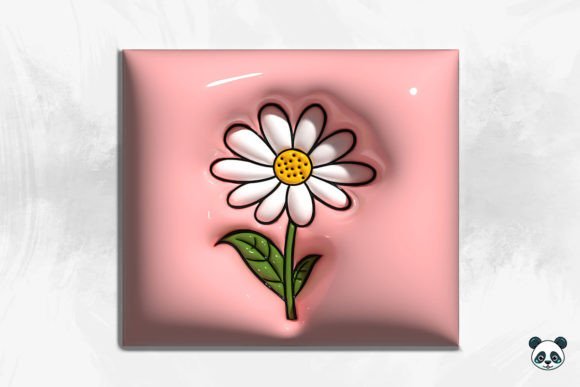
Mastering the 3D Inflated Daisy Flower Tumbler Wrap for Professional Sublimation Results
The evolution of drinkware customization has shifted dramatically from flat, two-dimensional patterns to designs that simulate texture and depth. Among the most sought-after aesthetics in the current market is the puffy, tactile appearance of floral designs, specifically achieved through the 3D Inflated Daisy Flower Tumbler Wrap. This digital asset represents a convergence of graphic design precision and sublimation science, allowing creators to produce tumblers that appear to have raised, embossed surfaces without the need for physical molding or epoxy layering. Understanding the technical specifications and practical applications of this wrap is essential for hobbyists and business owners aiming to elevate their product offerings.
Technical Specifications and File Integrity
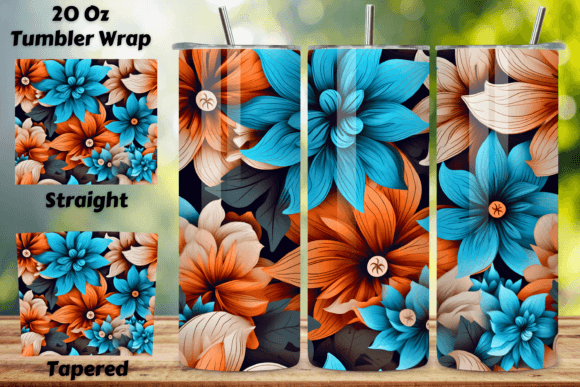
Success in sublimation printing begins long before the heat press is activated; it starts with the integrity of the digital file. The 3D Inflated Daisy Flower 20oz Straight Tumbler Wrap is engineered with specific dimensions to ensure seamless coverage on standard straight-walled vessels. When acquiring this digital asset, users receive a single ZIP file containing one high-resolution PNG file measuring exactly 9.3 inches by 8.2 inches at 300 DPI.
This resolution is non-negotiable for professional results. At 300 DPI (dots per inch), the intricate shading and highlight gradients that create the "inflated" illusion remain crisp during the transfer process. Lower resolution files often result in banding or pixelation when wrapped around a curved surface, destroying the three-dimensional effect. The 9.3 x 8.2-inch sizing is designed to accommodate the circumference and height of most 20oz straight tumblers, though slight variations in manufacturer molds mean that test prints are always a recommended first step. Because this is an instant digital download, the workflow from purchase to production is streamlined, but it places the responsibility of file management and color profiling squarely on the user.
The Visual Psychology of Inflated Floral Designs
Why has the inflated daisy aesthetic gained such traction across diverse demographics? The answer lies in visual psychology and current design trends. Traditional floral sublimation can sometimes appear dated or overly flat. By utilizing lighting effects, drop shadows, and specular highlights within the 3D Inflated Daisy Flower Tumbler Wrap, designers trigger a cognitive response where the brain perceives depth on a smooth surface. This trompe-l'œil technique adds perceived value to the finished product.
For educators and researchers studying consumer behavior in personalized goods, this trend highlights a preference for sensory-rich visuals even in digital mediums. For business owners, it offers a way to differentiate inventory in a saturated market. The daisy motif itself carries connotations of freshness, simplicity, and optimism, making it versatile enough for spring seasonal collections, teacher appreciation gifts, or everyday retail items. The "puffy" rendering modernizes this classic symbol, bridging the gap between vintage cottage-core aesthetics and contemporary 3D art styles.
Sublimation Workflow and Color Management
Achieving the intended 3D effect requires more than just pressing a button; it demands a nuanced understanding of color management. The gradients that define the inflated look are subtle transitions between light and dark tones. If a printer’s color profile is too saturated or has incorrect gamma settings, these gradients can collapse into solid blocks of color, flattening the image and ruining the illusion.
Professionals working with the 3D Inflated Daisy Flower 20oz Straight Tumbler Wrap should utilize ICC profiles specifically calibrated for their sublimation ink and paper combination. It is often necessary to reduce saturation slightly and increase contrast to preserve the highlight details that mimic light reflecting off a raised surface. Furthermore, because the design relies on shadow work to create depth, using a white or light-colored polymer-coated tumbler is mandatory. Dark substrates will absorb the shadow details, rendering the 3D effect invisible. Users must also account for the fact that sublimation inks are translucent; the vibrancy of the final daisy petals depends entirely on the brightness of the underlying coating.
Practical Applications Across User Segments
The versatility of this digital wrap extends beyond simple drinkware sales. Different user groups leverage this asset in unique ways that maximize its utility.
- Small Business Owners: For Etsy sellers and local vendors, this wrap serves as a high-margin product base. The 3D aesthetic allows for premium pricing compared to standard floral wraps. It is particularly effective for bundle deals, matching the tumbler with coordinating keychains or coasters using the same digital file scaled down.
- Educators and School Staff: Teachers often seek personalized items that feel special yet appropriate for a school environment. The cheerful, clean lines of the inflated daisy provide a polished look that avoids being overly juvenile. Parent-teacher organizations frequently use this design for fundraising merchandise or staff recognition gifts.
- Hobbyists and Crafters: For those new to sublimation, this wrap offers a forgiving learning curve regarding alignment. Unlike geometric patterns where a millimeter shift is obvious, organic floral shapes allow for slight imperfections in seam matching while still looking intentional and natural.
- Event Planners: Bridal showers, baby showers, and garden parties benefit from this cohesive theme. The digital nature of the file means planners can print exact quantities needed without minimum order requirements, reducing waste and cost.
Navigating Digital Assets and Usage Rights
When integrating the 3D Inflated Daisy Flower Tumbler Wrap into a commercial or personal workflow, understanding the parameters of digital ownership is critical. As an instant download, there is no physical inventory to manage, which reduces overhead. However, users must be proficient in handling PNG files and understand that no physical item will be shipped. This distinction is vital for avoiding customer service misunderstandings if purchasing for resale or gifting.
Additionally, creators should verify licensing terms associated with the digital file. While the file is yours to use for printing, some licenses restrict reselling the digital asset itself or using it in print-on-demand services without modification. Respecting intellectual property ensures the sustainability of the designer ecosystem. From a technical standpoint, storing the original ZIP file in a cloud backup system prevents loss of access, as re-downloading may not always be an option indefinitely after purchase.
Troubleshooting Common Production Challenges
Even with a perfect 9.3 x 8.2 inch file, production variables can affect the outcome of the 3D Inflated Daisy Flower 20oz Straight Tumbler Wrap. One common issue is ghosting, where the 3D shadows appear doubled. This typically occurs when the paper shifts during the press cycle. Using high-temperature tape securely and ensuring consistent pressure can mitigate this. Another challenge involves the seam line; because the design is organic, aligning the daisies perfectly at the overlap can be difficult. Many professionals choose to place the seam in a less visible area or use a strip of heat-resistant silicone to ensure even pressure at the join point.
Color shifting is another consideration. Sublimation inks look dull on paper and only reveal their true colors under heat. The complex shading in an inflated design requires precise temperature control. Too hot, and the highlights may yellow; too cool, and the shadows may fail to transfer fully, resulting in a washed-out appearance. Keeping detailed logs of time, temperature, and pressure settings for this specific wrap helps establish a reliable baseline for future production runs.
Expanding Creative Possibilities Through Customization
While the base 3D Inflated Daisy Flower Tumbler Wrap is a complete design, advanced users often treat it as a foundation for further creativity. Because the file is a high-resolution PNG with a transparent or solid background (depending on the specific variant), it can be layered in graphic design software. Adding personalized names in a complementary font that mimics the inflated style creates a bespoke product. Monograms placed centrally among the daisies maintain the thematic consistency while adding individual relevance.
Furthermore, this design pairs exceptionally well with other textured elements. Combining the inflated daisy with a matte varnish overlay or a soft-touch powder coat enhances the tactile deception, making the visual puffiness feel real to the touch. For researchers and developers in the customization space, this intersection of digital imagery and physical finishing techniques represents the frontier of accessible manufacturing. It demonstrates how digital assets can drive physical product innovation without requiring expensive industrial equipment.
Market Relevance and Consumer Expectations
In the broader context of promotional products and personalized gifts, the demand for high-fidelity graphics continues to rise. Consumers are increasingly discerning, able to distinguish between amateur and professional sublimation work instantly. Utilizing properly sized, high-DPI assets like the 3D Inflated Daisy Flower 20oz Straight Tumbler Wrap signals a commitment to quality. It meets the expectation that custom items should look manufactured rather than homemade.
This shift impacts how businesses market their products. Photography of the finished tumbler must capture the simulated depth to convey the value proposition effectively. Flat, flash-lit photos will negate the 3D effort. Natural lighting or diffused studio lighting that rakes across the surface helps emphasize the printed shadows and highlights, translating the digital artistry into a tangible selling point. Ultimately, mastering this wrap is about more than just printing a flower; it is about delivering a sensory experience through technical excellence and thoughtful application.